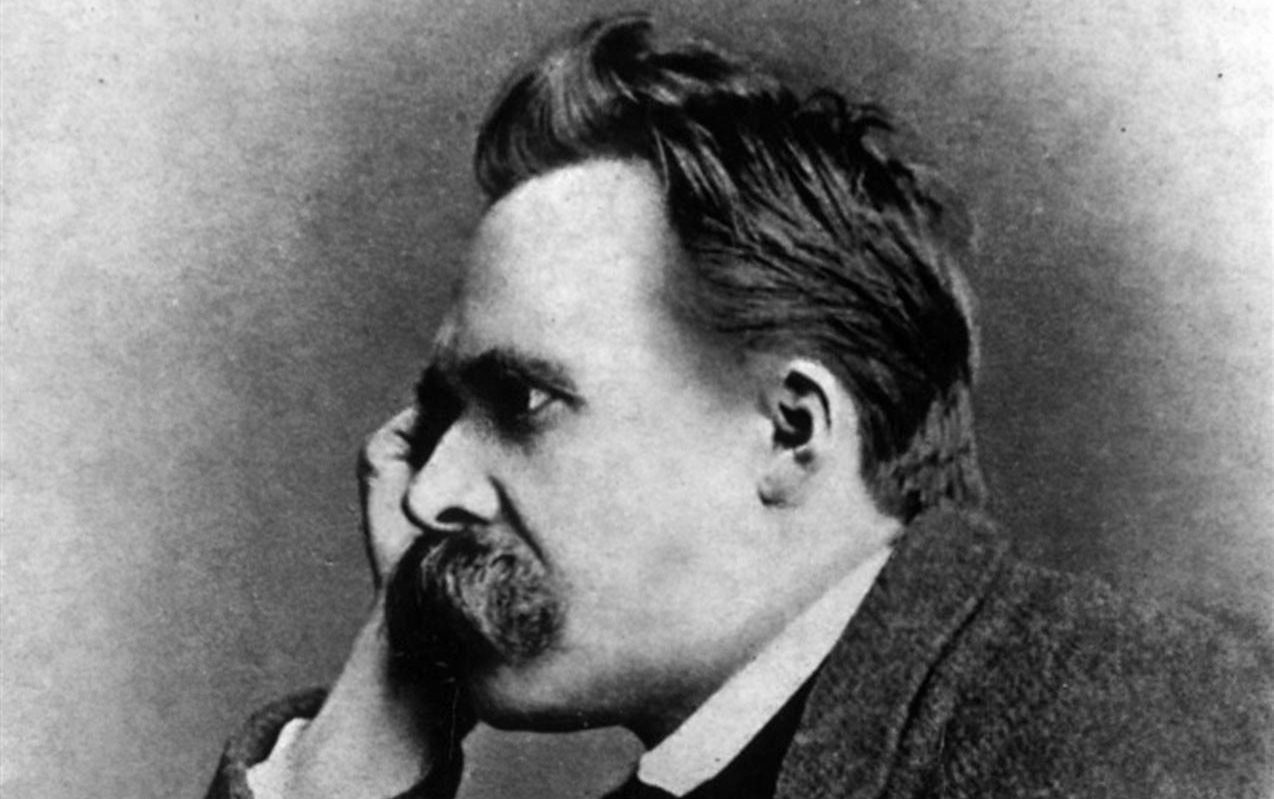
“Blessed are the forgetful: for they get the better even of their mistakes” – Nietzsche
When I first encountered this quote from Nietzsche, it struck me but I don’t think I fully appreciated its insight. Nietzsche is one of my favourite philosophers, and I appreciate his writing as much for the wisdom that it contains as for the strikingly poetic and compact form in which it’s expressed. Over time, and notably through some of the experiences I’ve had through my study of the law, I think I’ve come to a new understanding of just how wise a pronouncement the quote is. I also see some irony in it now insofar as the quote seems to me to embody a fairly unphilosophical attitude.
People often emphasize the importance of learning from mistakes and negative experiences, but I think it is just as important to be able to forget them. I mean that it’s important to resist the urge to ruminate on mistakes and negative experiences. I say “and negative experiences” because it’s easy, under certain circumstances, to construe outcomes that are the work of others as somehow being your fault. You reproach yourself as if you could or even should have done something to prevent what happened. Indeed, this is the source of a lot of guilt. In either case – whether you did something wrong or were a hapless victim – the important thing is to make as clean a break as possible.
They say that one of the most important life skills to develop is the capacity to re-invent yourself periodically, and the ability to forget mistakes is, in my opinion, an integral part of that. Our brain is constantly searching for subjective coherence and dwells on mistakes in part in an attempt to rationalize them and integrate them into our self-image and life narrative. This is largely wasted effort designed, subconsciously, to protect the ego. One of the pillars of a particularly strong mental constitution is that it can expel these dissonant experiences from consideration and focus its energy on more constructive things.
I’ve seen very poignant illustrations of this in the cases I studied in law school. The parties in these actions have had their lives altered in an important way. Whether they were the authors of it or not, they begin to fixate on this event and seek legal recourse in an attempt to assert their perceived rights, live out their denial, or simply extract revenge. As a result, they become embroiled in a drawn-out legal battle that drains them in every way imaginable. It is unhealthy and almost completely impedes progress. They cannot fully devote themselves to finding new work; they cannot build constructive relationships with the others involved; and they become embittered and retrospectively oriented.
Contrast this with a person who has, for some not entirely legitimate reason, been divorced by her spouse. She recognizes that there is some injustice in this turn of events but, after acknowledging this state of affairs, simply forges ahead. She may draw any valuable insights there are to gain from this experience but, more importantly, she promptly and ruthlessly relegates it to a past oblivion. Her energy is invested in the future and not in carrying baggage from the past. She has triumphed over the event not in contesting it and having it overturned or compensated for but in denying it any form of continued existence in her life.
Similarly, the best tennis and poker players are those who are, in a sense, amnesiac. Success at both of these sports requires a narrow focus on the point or hand currently being played. Granted, you have a mental database of your opponent’s tendencies and so on, but your attention is nevertheless directed squarely at what is unfolding in the present moment. A common hang-up, and one that I suffer from, is the urge to get lost in what’s already happened in the match or season. You dwell on that bluff which was called or that easy put-away you missed. The best players, on the other hand, are the ones that play each point and hand as if it were the only one that they’ve played. Any mistakes or embarrassment that they experienced have been eliminated from their consciousness and do not interfere with their concentration on the task at hand. These are the people to emulate not only in those activities but, to a large extent, in life in general.
Discover more from The Blog of Jan Tomiska
Subscribe to get the latest posts sent to your email.
 The Blog of Jan Tomiska