I’ve recently come to a realization. I’m at a radical transitional point in my life and have been engaging in a lot of introspection. Part of this has revolved around doing an audit of my values. Some of my values have been clear to me for a long time, such as autonomy and freedom. Though I haven’t always lived true to them, they’ve been anchored in my consciousness as cornerstones of my personality. In other ways, however, this internal audit has led to some new insights.
There was an aspect of myself that I was vaguely aware of but had always struggled to articulate. It was something like an orientation towards achieving long-term goals through self-restraint and planning. I remember having difficulty expressing this. In job interviews, I would clumsily and not very convincingly talk about running and going to the gym. In other contexts, I would describe myself as a long-distance runner and not a sprinter.
Then recently it hit me: sustainability. This was the concept that reflected what I espoused in my approach to life and work. I had of course heard this term before but had written it off, associating it with political and activist connotations. It had something to do with preserving the environment or going green. Then, as these movements gained popularity, the word was misappropriated by companies that used it in a hollow way that didn’t really make sense. Anyone could now be “sustainable”.
As I was reading Michael Pollan’s The Ominvore’s Dilemma, I re-encountered this concept in a discussion about organic agricultural practices, and I made the connection. The principles that guide these farmers are definitely in part political and social, but they are also apolitical philosophical rules. Agriculture on these farms is a matter of recognizing the inherent limits of the natural resources available, paying attention to the interrelations of the different elements – the soil, the crops, the animals -, and treating them with a view to achieving the maximum yield that doesn’t compromise the longevity and viability of the mini-ecosystem as a whole. It entails some sacrifices, but if analyzed from the broader perspective of decades as opposed to fiscal quarters or individual seasons it proves to be the superior method.
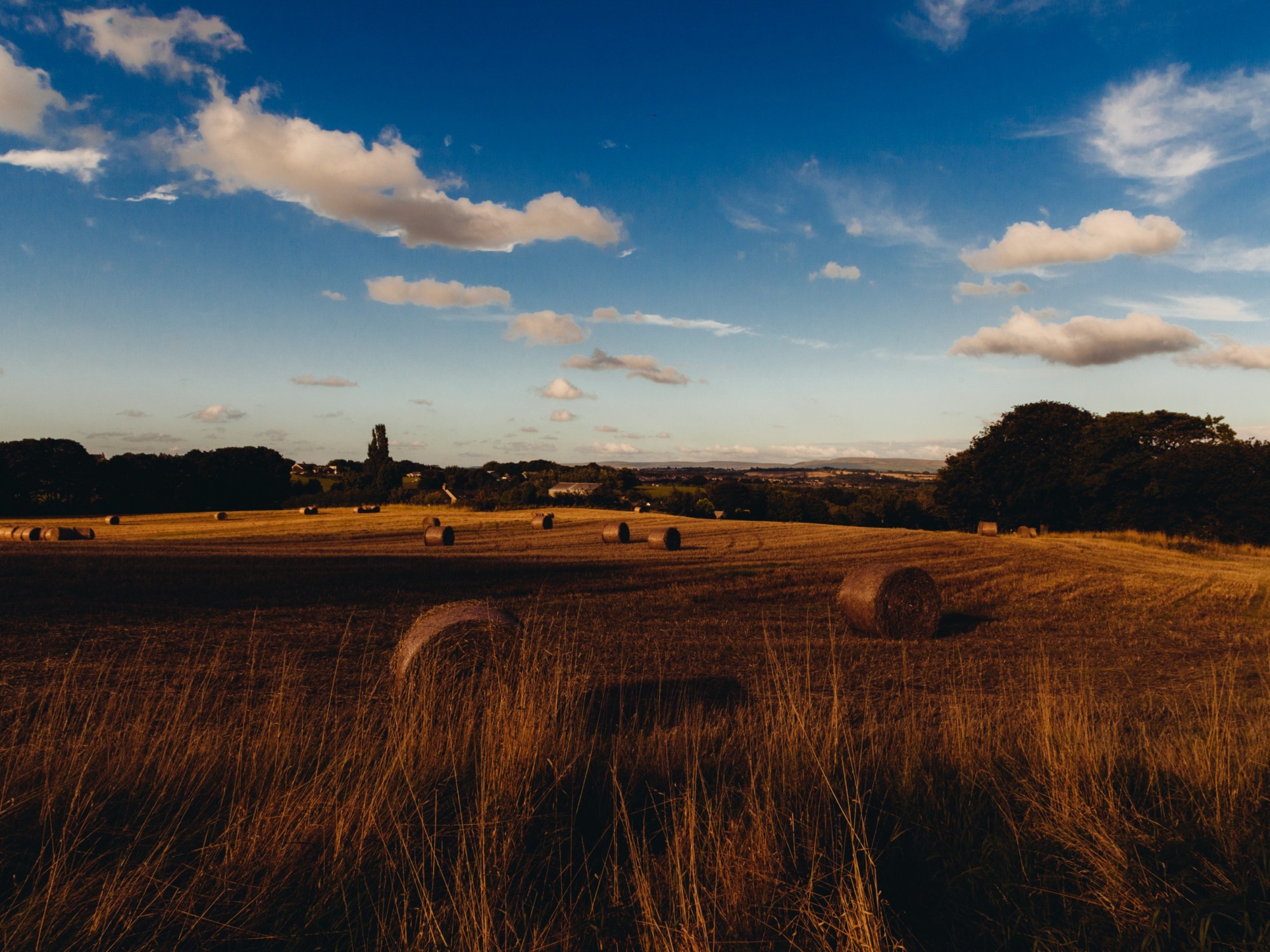
On a personal level, I apply the same principles and try to measure success with reference to time. I acknowledge the limitations, most importantly bodily limitations, that can only be neglected at the cost of long-term damage that is not easily reversible. Similarly, I see the different parts of my person as having different needs that should be alternately attended to and balanced. If properly managed, they have symbiotic relationships, but if any one of them is given too much emphasis this will have adverse effects on the whole. I guess I look at the different domains of life as fields to till, animals to graze, and seeds to sow, and it’s only by duly and patiently tending to all of them that the whole can have a chance of continuous, healthy growth and development. This is sustainability for me.
Discover more from The Blog of Jan Tomiska
Subscribe to get the latest posts sent to your email.
 The Blog of Jan Tomiska