Over the past several months, I’ve significantly changed my consumer habits. I’ve started buying new things and stopped buying some things altogether. The new items are generally things – from artisanal coffee, to magazines, to fancy sports equipment – which I had always wanted to buy but which I had refrained from purchasing for financial reasons. I had long dismissed them as nice indulgences that were ultimately too expensive to justify. The change of heart, however, didn’t have to do with shedding my natural frugality but rather reframing the choice.
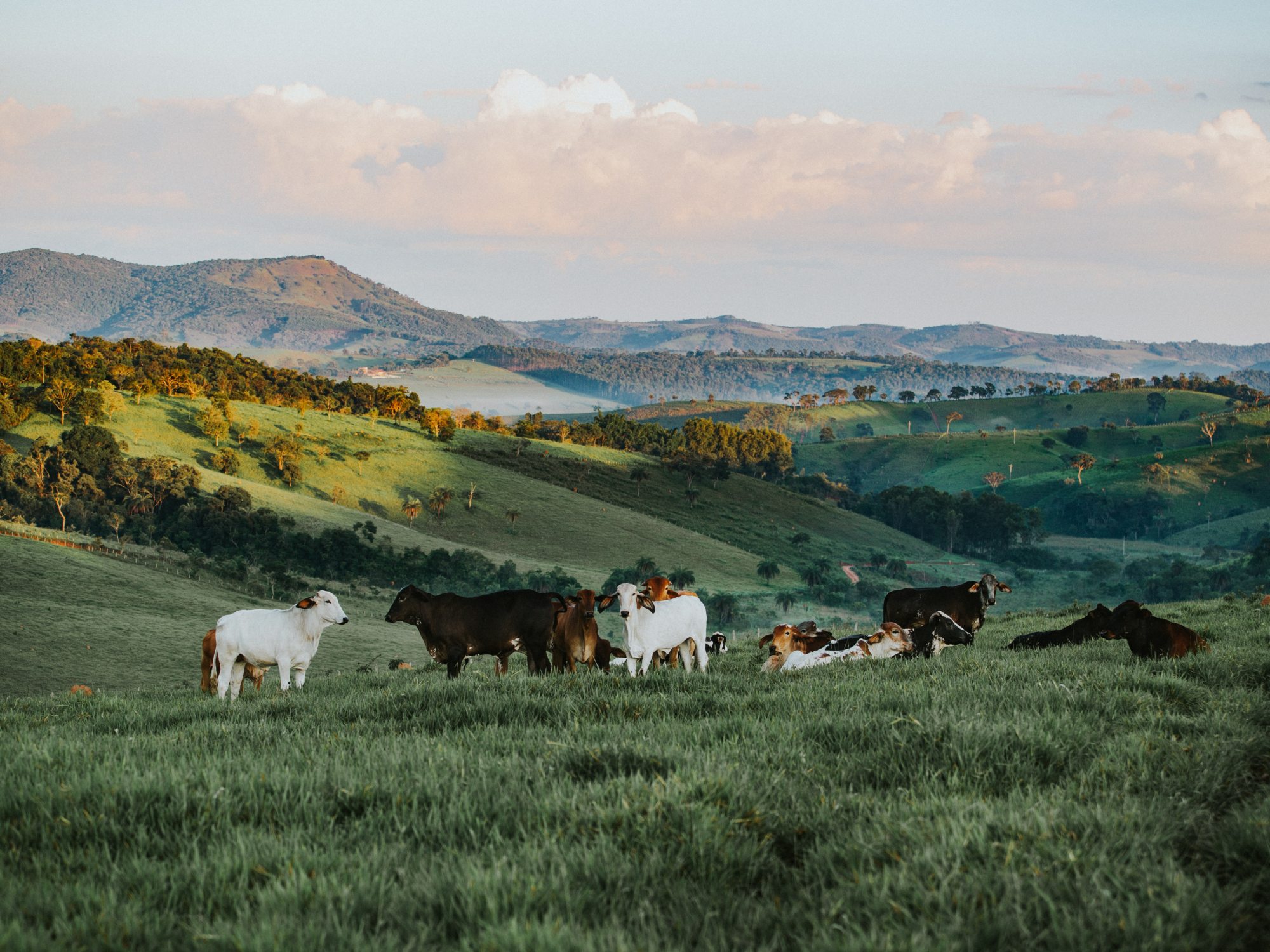
The shift started in food, and the idea was first planted in my mind when I read Michael Pollen’s modern classic The Omnivore’s Dilemma. Pollen explores different food production chains, from the industrial to the organic to grass farming. He immerses himself in these one after the after, discussing the types of food that each brings to the market. When he gets to the traditional grass farms, he remarks at once on their beauty and value but also their inconvenience and inefficiency. By the standards of the modern agricultural economy, these farms offer products that are difficult to find and overpriced, albeit higher in actual quality. Choosing them, then, is more an act of civic engagement than self-indulgence. As the consumer of these products, you are choosing to act as a patron of this style of production. In this regard, you become, Pollen suggests, a kind of co-producer insofar as you support, and through your preferences inform, the work of these farmers.
Over time, this idea resonated with me more and more. Another important moment happened when I watched Dan Barber’s episode of Chef’s Table. Barber, who runs restaurants and a farm, is a sort of pioneer of the farm-to-table culinary movement. His goal seems to be the creation of a new cuisine centred on the cultivation and appreciation of the inherent flavour potential of sensitively produced raw ingredients. He patronizes certain suppliers because they produce the type of food he appreciates and wants to promote. He shares this vision with customers who visit his restaurants and through their patronage in turn support the implementation of this vision.
This offered me an alternative way of framing my purchasing decisions, not just in the domain of food but everywhere. The default analysis had focused squarely on myself qua consumer: the decisive consideration was the value that I would get from what I was consuming. This could essentially be reduced to a quality-to-price comparison. And viewed through this narrow lens, purchasing the products offered by many of these craft producers was indeed almost always unjustifiable. In other cases, such as online media content, a pure consumer would choose to get things for free where possible. Buying them at all would be a gratuitously expensive choice. When, however, I reconceptualized myself as a sort of co-producer, the calculus changed. Now there was another benefit to consider: the knowledge and concomitant satisfaction that I was, in a very modest, remote way, co-producing the thing that I was buying. Through my patronage, I was helping to bring forth and keep alive a particular type of art or craft and the vision underlying it. And through the more granular choice of which exact product I chose to buy I was enacting a preference that might inform future production decisions.
This isn’t about grandiosely assuming a determinative influence in the world. I have no illusions that I’m making or breaking anything. Nevertheless, the patronage is in its own small way essential. People who choose to pursue an idiosyncratic vision and offer the fruits of their particular disposition and creative mind to the world require at least a small passionate base of patrons to make the continued realization of their vision feasible. And even the bigger operations will only continue to do what they do if enough people appreciate it sufficiently to pay for it. With few exceptions, no one, person or entity, continues to produce things that go chronically unnoticed and unappreciated by the public. In buying things, the consumer is therefore also, in a way, a co-producer. This idea uncovers a whole new rich layer of meaning that has the potentil to radically transform consumer behaviour, as it has for me.
Discover more from The Blog of Jan Tomiska
Subscribe to get the latest posts sent to your email.
 The Blog of Jan Tomiska