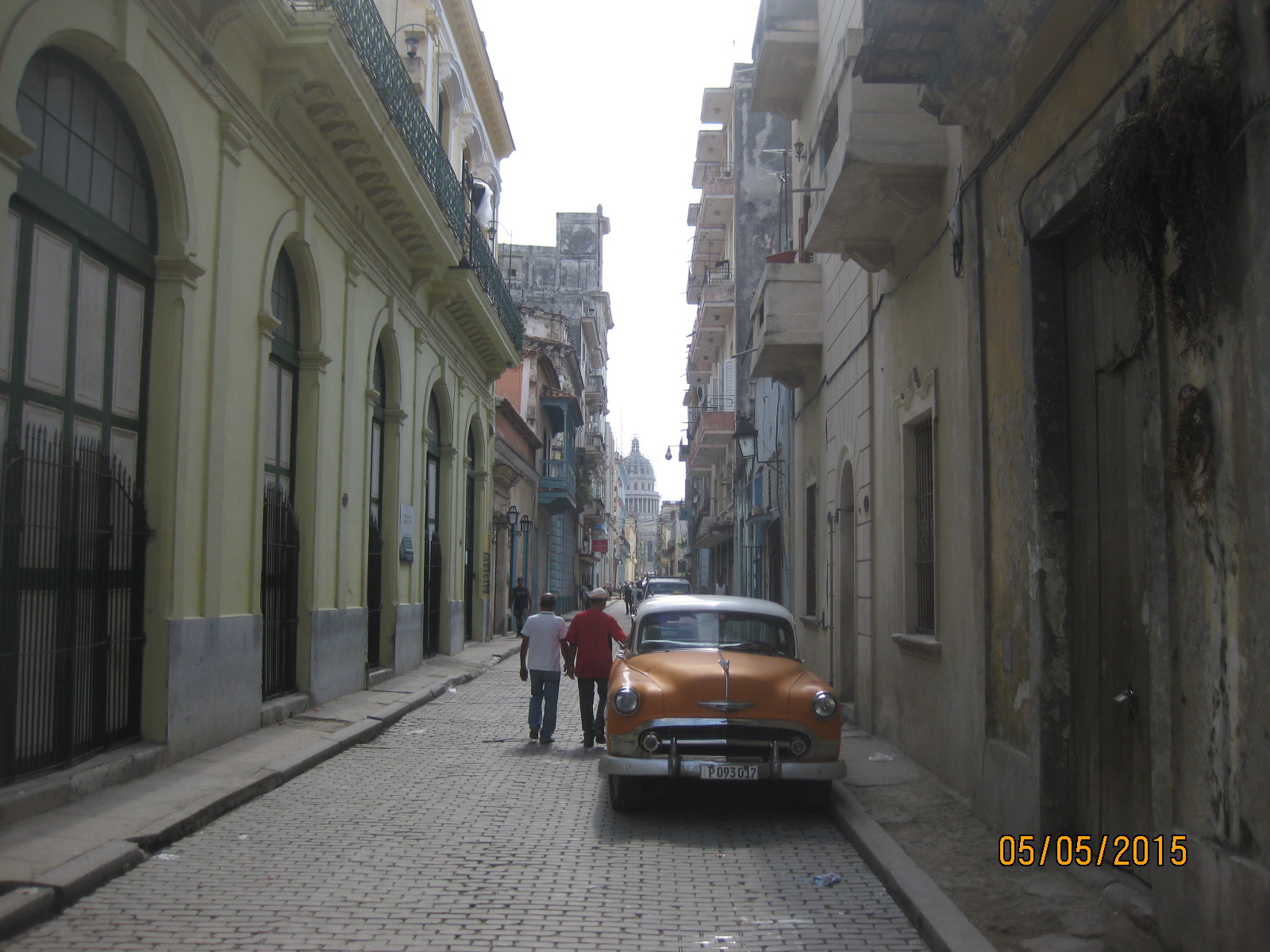
My trip to Cuba was unusual in many ways for me. Firstly, it wasn’t a trip to Europe, which, apart from the United States, had been the exclusive destination I had traveled to throughout my life. Secondly, and more to the point, it was a vacation in the standard sense of being a break from work. Previously, I had traveled during the interstitial periods off from school, and as I enjoyed school I never vacationed with the intent of escaping, forgetting, or recovering from stress. My ten-month work term had been different and allowed me to get a taste, for really the first time in my life, of what it’s like to be perpetually struggling. All throughout I had dreamt of finishing, and I thought a trip was the most symbolically appropriate way to realize this sought-after release. Whatever the merits of the actual trip, it would at least serve the salutary function of creating a sharp psychological boundary to mark the start of the next phase of my life.
Cuba turned out to be a particularly good choice in this regard. As hard as I had tried to limit my dependence on technology, and smartphones in particular, through discipline and habits, work forced me to be online far more than I was comfortable with. Cuba offered the perfect escape in that there was extremely limited and sporadic access to internet and mobile networks. I was truly off the grid. Indeed, I was so blissfully disconnected that I actually didn’t even know there had been flooding in Havana until someone who had just flown in from Canada told me the day before I drove there. It was a relief not to have the spectre of an unwelcome, inopportune email or phone call hanging over my head constantly. What I hadn’t fully appreciated before, however, was the wonderful lightness that comes from living in a bubble of ignorance vis-à-vis worldly happenings in general. I’ve tried to preserve this state as best as I could after my return.
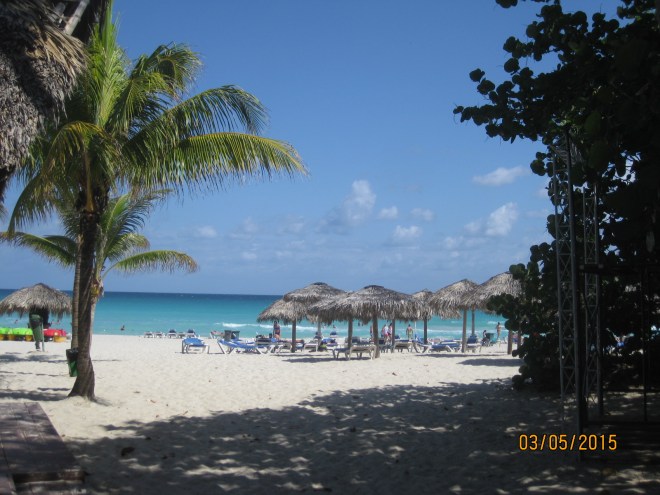
The first moment that stands out to me happened on the very first night. Having arrived at my hotel around 9:00pm, I, along with all the others on my bus, was forced to wait a while to check in. By the time most of us got to our rooms, the hotel restaurant had stopped serving dinner. I was informed that there was an all-night snack bar somewhere on the relatively expansive resort, so I set out to find it. As I was wandering around, I heard the soft sound of the ocean. Spontaneously, I followed the sound and, after going through some bushes and trees, came out onto the beach. It was a tiny illuminated part of the vast beach that runs along the Varadero peninsula. That was a very powerful moment, for that in moment I knew I had made it: the struggle was over. Being the emotionally repressed person I am, I didn’t do much apart from grin very wildly and jump around inside. But the feeling of elation was actually overwhelming.
There is something about a beach that symbolizes a special kind of tranquility. There are the film scenes following the great storm where at first you only hear the sound of rolling waves breaking onto the beach and then, when the visual comes on, you see a body washed up on shore. The turbulence is over, and a pervasive calm has set in, all the more noticeable for the contrast with the preceding turmoil. There are also the scenes that take place months or years after the action at the heart of the conflict of the narrative has passed. The protagonist, no longer on the run or fighting for his life, is now contemplating the water in a comfortable, often opulent, setting. I think of Chrisoph Waltz’s character in Die Fälscher in Monte Carlo after the war. When I came to the Varadero beach in the middle of the night, I felt that way. The protracted struggle I had been through gave way to feelings of relief, pride, accomplishment, and sheer joy.
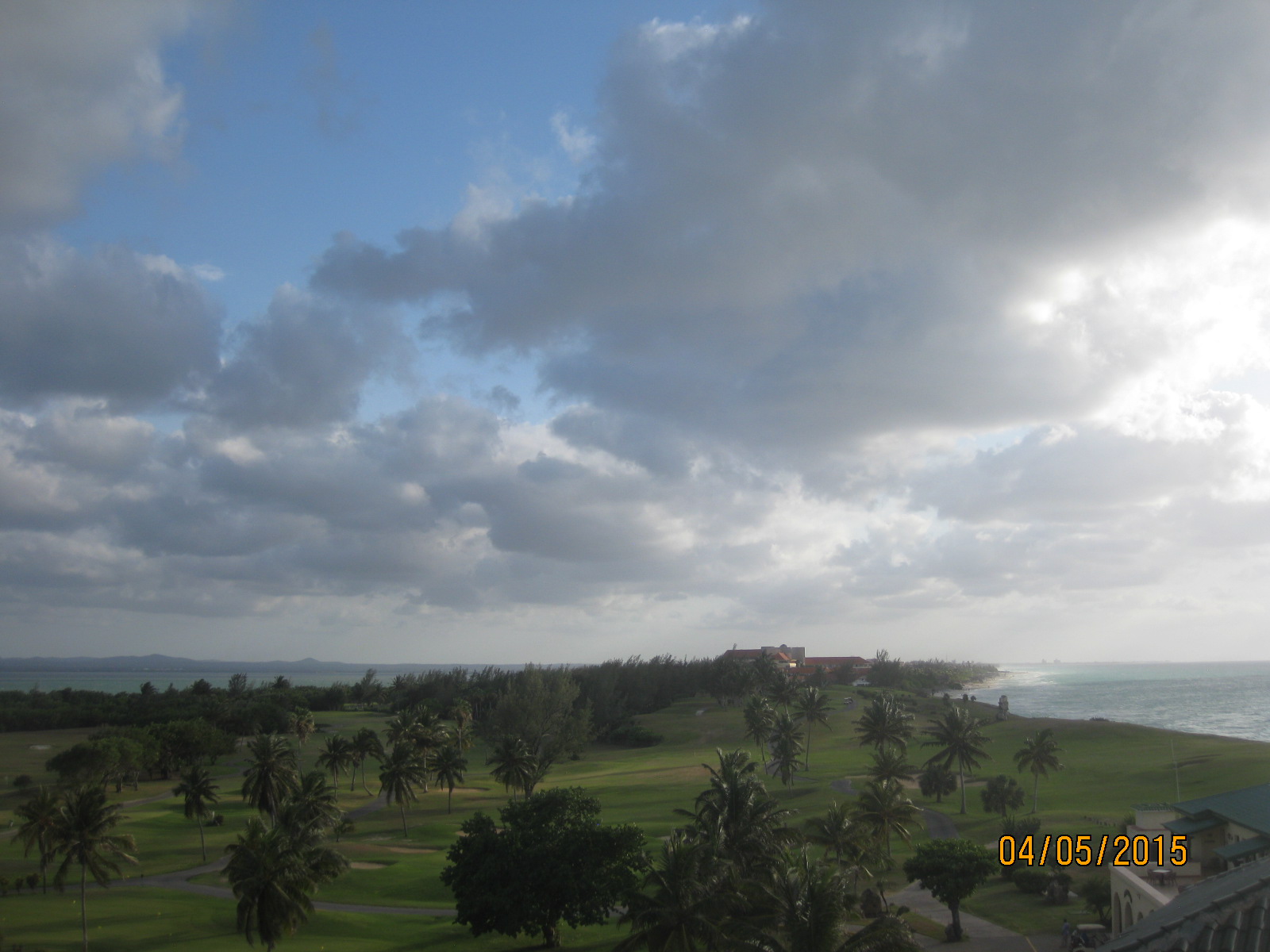
While I got to live out something of a romantic fantasy that night, I experienced disillusionment on my later visit to Havana. By all accounts I had read, Havana was a special, beautiful, even magical city, which enjoyed elevated socio-cultural status among the world’s urban centres. All I can say is that the city did not have the effect on me that it seems to have on many visitors. I couldn’t sense the magic, nor even any passion. Indeed, it was the opposite. The city seemed a literal hollow shell of its former self, without soul. Fragments of the facades of formerly grand buildings partially obscured empty, forlorn interiors. Outside, idlers lethargically sat around. I couldn’t help feeling as if people were squatting in the ruins of an earlier civilization. Enough traces remained for you to appreciate what had been there in the past imaginatively, and to bemoan that it had been so neglected. Buildings that were half torn apart and looked as if they had just sustained a bombing were simply left there, forming cavities in the fabric of the city. Piles of rubble filled some streets, with makeshift paths carved out around them. The residents seemed as if they had passed the phase where they defiantly maintain good cheer amid dire material circumstances and had mellowed into a kind of stupor.
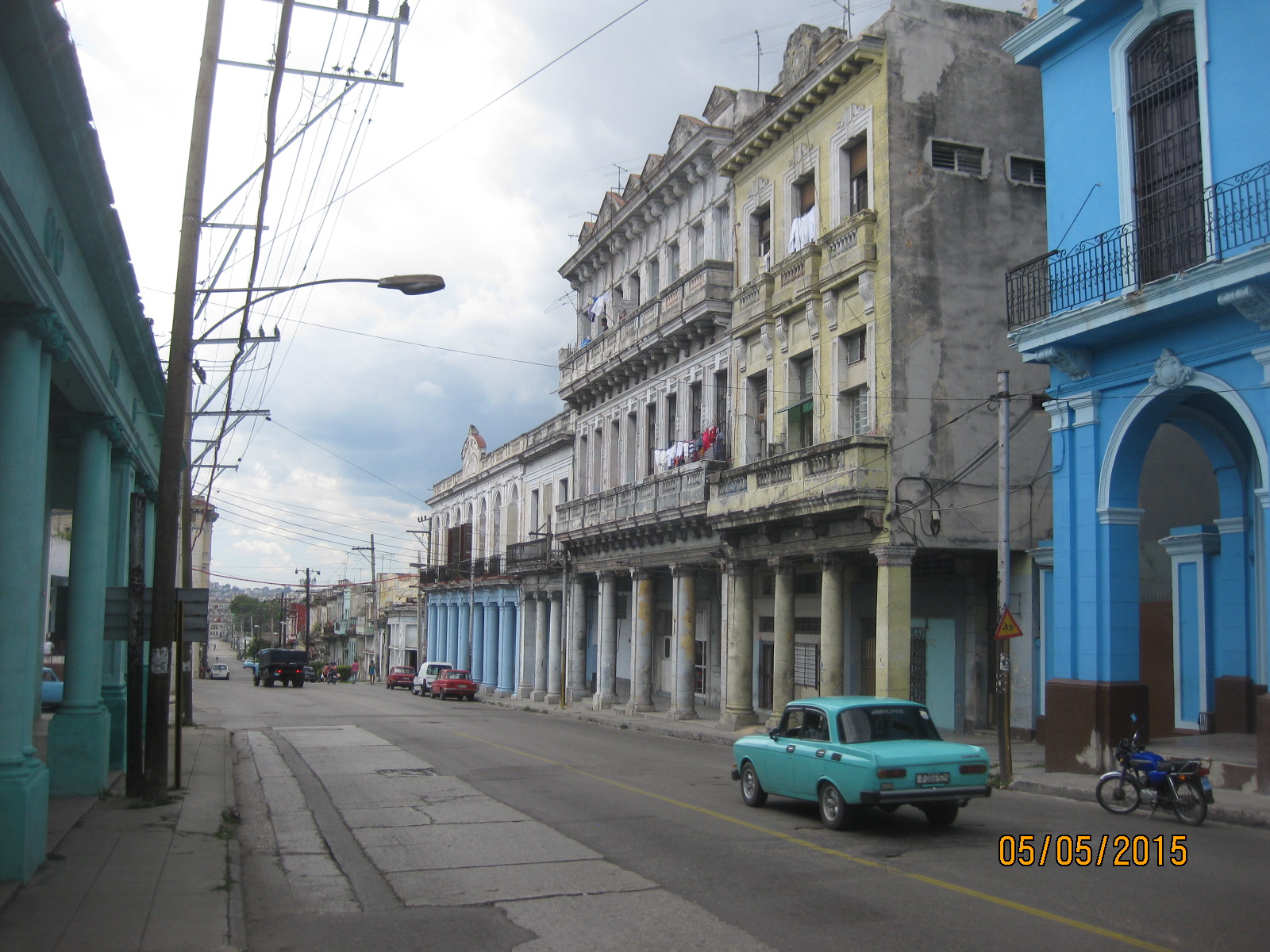
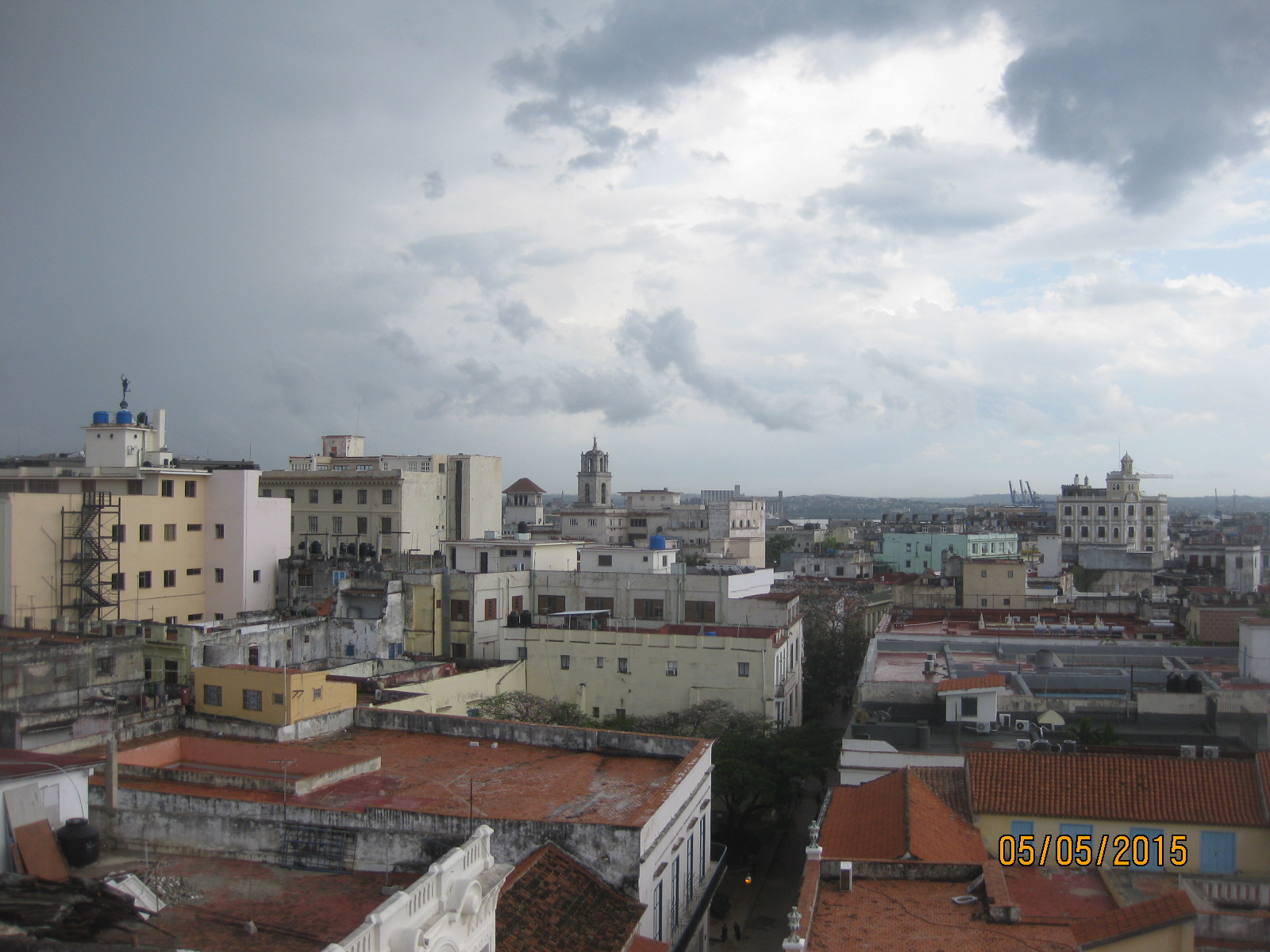
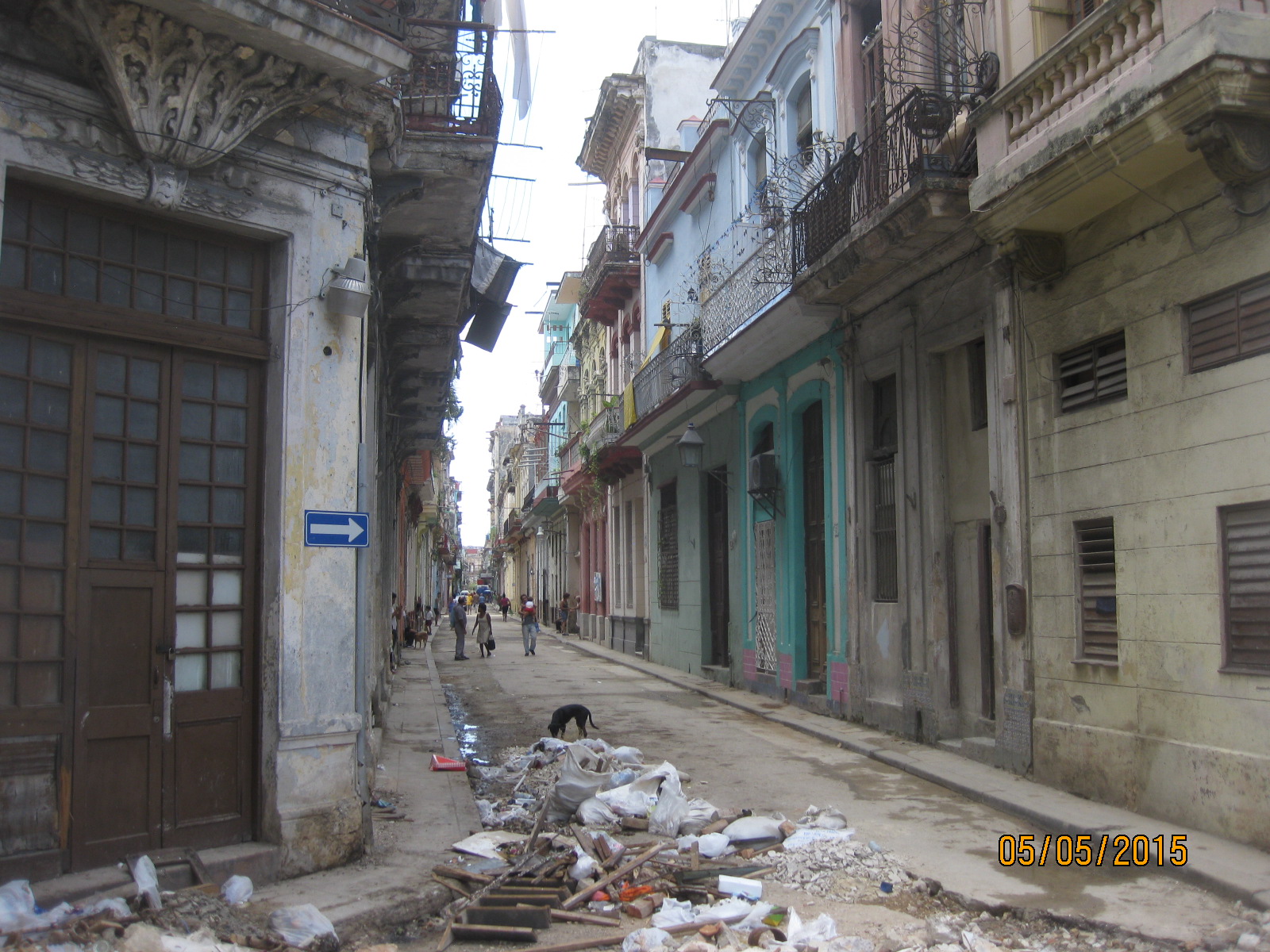
It was sad indictment of the human and material toll of the political system. In my mind beforehand, I had thought of Cuba as a country that was relatively poor but contentedly so, a country that had taken a principled stance against certain political and economic values. People lived simple but fulfilled lives. This turned out to be a naive illusion, and confronting the reality had a sobering effect on me. In my visceral reaction to certain excesses in my work experience here in Canada, I had hopelessly romanticized this country.
The excursion ended on a high note, however. In the evening, we went to see Tropicana, a traditional Cuban cabaret that was now an expensive tourist attraction. There was a carnival-like atmosphere, thanks to the outdoor venue, the costumes, and the free-flowing drinks. An unexpected amenity was the provision of cigars, which were distributed by dancers prior to the performance. Even though Canada has no part in the embargo and maintains normal diplomatic and business relations with Cuba, there was still an aura of illicitness about the country for me. Maybe it’s the historical presence of the mafia and all the gambling and liquor production they carried on in the early twentieth century. In any case, Cuba had the connotations of a country to which you escaped. As cliché an image as it is, sitting there watching the cabaret, smoking my cigar, sipping rum, I felt a sense of indulging in a beautifully illicit escape.
It seems people are generally either beach-and-sandals tourists or they’re not. I hadn’t gone on a vacation of this type often, really only once in Croatia. This time I discovered two great enjoyments of beach life: running and sunsets. Varadero’s beach is exceptionally long since it extends almost the entire length of the 20-km long peninsula. Though there are countless hotels along its length, none of them have private beaches, and so you’re free to go along it from one end to another. Moreover, the beach is made up completely of fine white sand, without any rockiness. Especially on the strip along the water’s edge, you can run very comfortably. Running barefoot was a special revelation for me: it’s more sensual than running with shoes because you have the tactile sensations of your feet. It’s also more immersive because you have to be more attentive to your technique and the ground. Taking jogs along the beach was a wonderfully meditative experience.
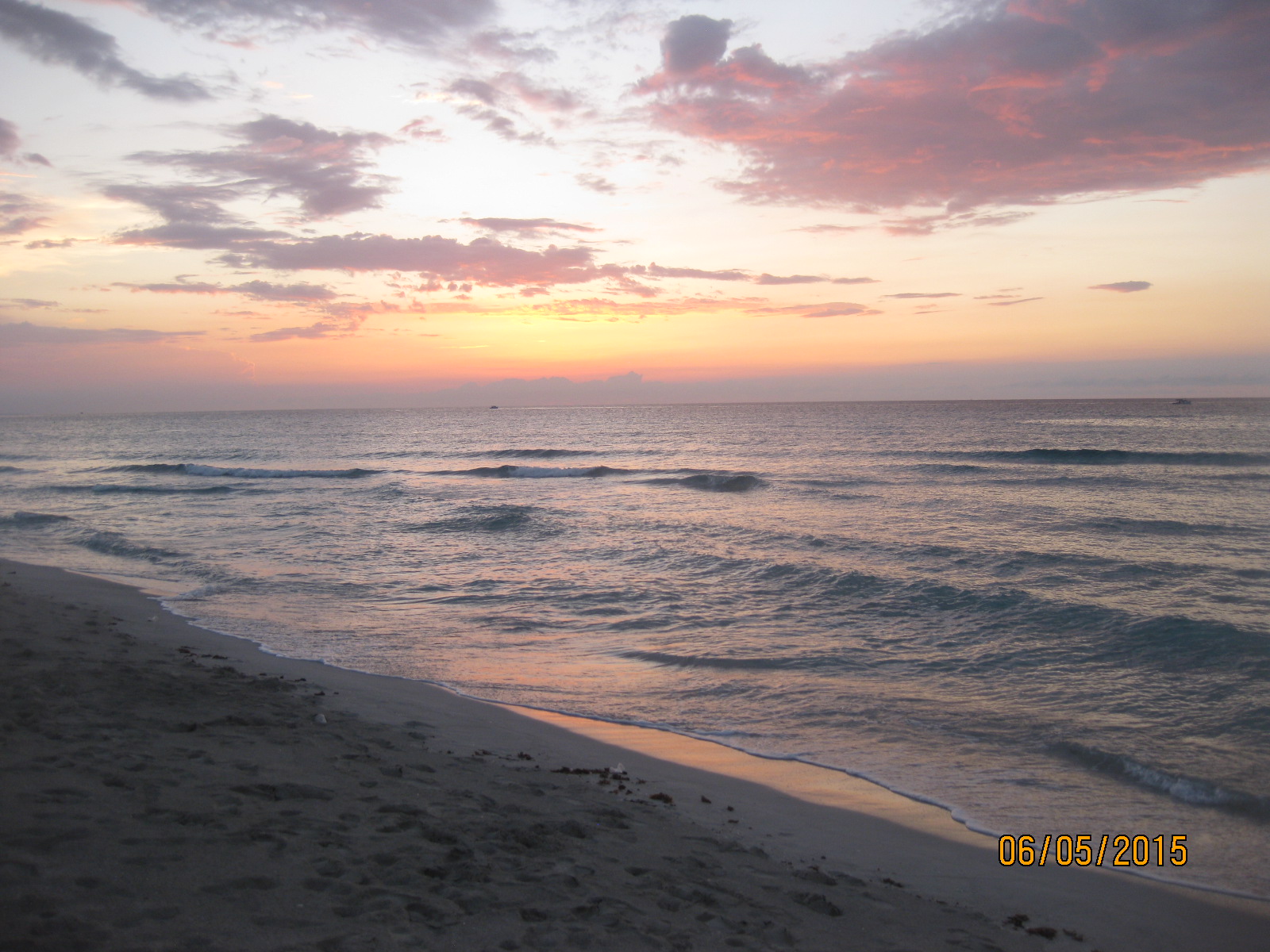
The other great feature of Varadero’s beach was that it faced West, directly towards the sun as it set. I had never really realized how beautiful it is to watch a sunset over the ocean. The absence of any obstructions all the way to the horizon lets you see the whole spectacle, from the illuminated clouds to the sinking orb. And because of the water, there’s a particularly buoyant, airy quality to the light, which is all soft shades of turquoise and pink. I made a point of going to the beach in the evening just to see this, and though I have some photos to remind me, they just don’t do justice to the beauty of the scenes I witnessed.
In all, I’m happy with the trip. I came back disillusioned about Cuba, but wiser for the experience. And as with all good trips, I was inspired to travel more.
P.S. Shout out to Ingrid for her travel tips
Discover more from The Blog of Jan Tomiska
Subscribe to get the latest posts sent to your email.
 The Blog of Jan Tomiska